What plant managers can learn from U.S. Navy chief season
Key Highlights
- Effective leadership involves sharing workload and encouraging team members to seek and offer help when needed.
- Plant managers should empower superintendents to make decisions, reducing micromanagement and fostering ownership.
- Regular communication and clear expectations are vital for teams to handle competing priorities and resolve issues efficiently.
- Adopting Navy leadership principles, such as mentorship and community support, can improve organizational performance and morale.
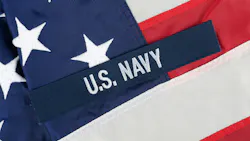
My nephew, Keelen, was just promoted to chief petty officer in the U.S. Navy. He accomplished this in 10 years. A blistering pace, in this proud uncle's opinion. Our entire family is proud of him.
As I learned about what the Navy expects of its chiefs, I kept thinking about the plants I have worked in. We could learn something here, especially those of us who have occupied the plant manager's office.
Sailors selected for chief go through an initiation commonly called chief season. It typically lasts about six weeks and includes leadership training, physical training, naval heritage and mentoring by experienced chiefs. A major emphasis is learning to work with other chiefs. They are joining the chiefs mess, a community of senior enlisted leaders expected to help one another get the job done.
The part that caught my attention was the workload. As I understand it, selectees are challenged with more work and competing demands than they can handle individually. At some point, being smart, working harder and putting in more hours will not be enough. They have to ask for help. They also have to recognize when another chief needs help and make time to give it.
Leadership means sharing the load
Think about that. You are already overloaded and part of your responsibility is to help someone else.
On a ship, this makes perfect sense. You cannot always call someone from outside to come solve your problem. You have the crew, the equipment and a mission. Failure can cost lives. Officers set direction and exercise command. Chiefs are enlisted leaders who turn that direction into work. They develop sailors and deal with the problems that stand in the way. The chiefs get things done.
Now consider equipment reliability. If that responsibility sits solely with your maintenance manager, you will fail or, at a minimum, fall well short of excellence. I have been a maintenance manager and a plant manager. The view from those two offices is different, but this conclusion is the same.
Purchasing, safety, engineering, maintenance, quality, production, and human resources all have a hand in reliability. We cannot allow them to act as though success means finishing their own assignments while another department struggles.
Take a planned equipment shutdown. Maintenance can have the job ready, the crew scheduled and the parts staged. Production changes the schedule, and the equipment is no longer available. Maintenance gets blamed later when it fails. Or purchasing saves money on a component that does not hold up in service. Its numbers look good; the plant's results do not.
These are leadership problems. The people running those departments need to work through the tradeoffs together. Who needs help? What can I do? What do I need from someone else? Getting credit should be well down the list of concerns.
In my career, the closest equivalent to the Navy chief was the superintendent. Substitute the appropriate title from your organization. These were the people who ran the plant day to day.
As plant manager, I set direction, secured resources and worked on the longer-term needs of the business. The superintendents ran the morning meeting. They made decisions affecting the shift, the day, the week and the month.
Some decisions extended into the quarter. They knew what was happening on the floor and worked with one another to keep the plant operating.
I believe this role has faded or disappeared in many plants, with catastrophic results in some and considerable frustration in others. The title may still exist, but their authority is different.
When plant managers stop letting managers manage
Our ability to communicate instantly and track the performance of nearly every asset has helped this happen. A plant manager can see a problem as it develops and immediately issue instructions. The temptation to intervene is strong, particularly if you are experienced and believe you know the answer.
But seeing the number is not the same as knowing the situation. The plant manager may not know that the electrician is working on a more urgent problem or that instruction will disrupt a repair the crew has spent hours preparing. The superintendent does.
I have heard this called seagull management. The boss swoops in, takes a dump on everything and swoops away. It is a crude description of behavior that causes real frustration on the floor.
Do it often enough and the superintendents will stop making decisions. Why take ownership when the boss will change the plan anyway? They start bringing everything to you. You become frustrated that nobody takes initiative, even though your own behavior helped create the problem.
Would the Navy prepare its chiefs to accept responsibility and then expect the commanding officer to do their jobs? Command accountability remains, of course. So does the need for chiefs who can act. A plant manager also needs clear expectations about which decisions belong to the superintendents and which require escalation.
5 questions for your leadership team
Here is a discussion you can have Monday morning. Ask your leadership team these five questions, and give them room to answer honestly.
- Who runs our morning meeting? Are the superintendents making decisions together, or are they reporting to top management and waiting for instructions?
- Is this the best way to address our plant's problems? Think about a recent breakdown. Did our meeting help the people closest to the work resolve it, or add another approval step?
- Do we trust our superintendents to run the plant? What decisions can they make without us? When did we last overrule them, and did we understand the full situation?
- What training and expectations have we given them? Have we taught them how to handle competing priorities? Have we made it clear that helping another department is part of their job?
- What should we borrow from chief season? Pick something specific to change. Perhaps it is who leads the meeting or when a superintendent must ask for help. Agree on it and follow up.
Keelen's promotion gave our family plenty to celebrate. It also gave this retired plant manager something to think about. Before we complain that our leaders are not taking ownership, we ought to ask whether we have prepared them, whether we expect them to help each other and whether we will let them do the job.
About the Author
 Joe Kuhn
CMRP
Joe Kuhn, CMRP, former plant manager, engineer, and global reliability consultant, is now president of Lean Driven Reliability LLC. He is the author of the book “Zero to Hero: How to Jumpstart Your Reliability Journey Given Today’s Business Challenges” and the creator of the Joe Kuhn YouTube Channel, which offers content on creating a reliability culture as well as financial independence to help you retire early. Contact Joe Kuhn at [email protected].